
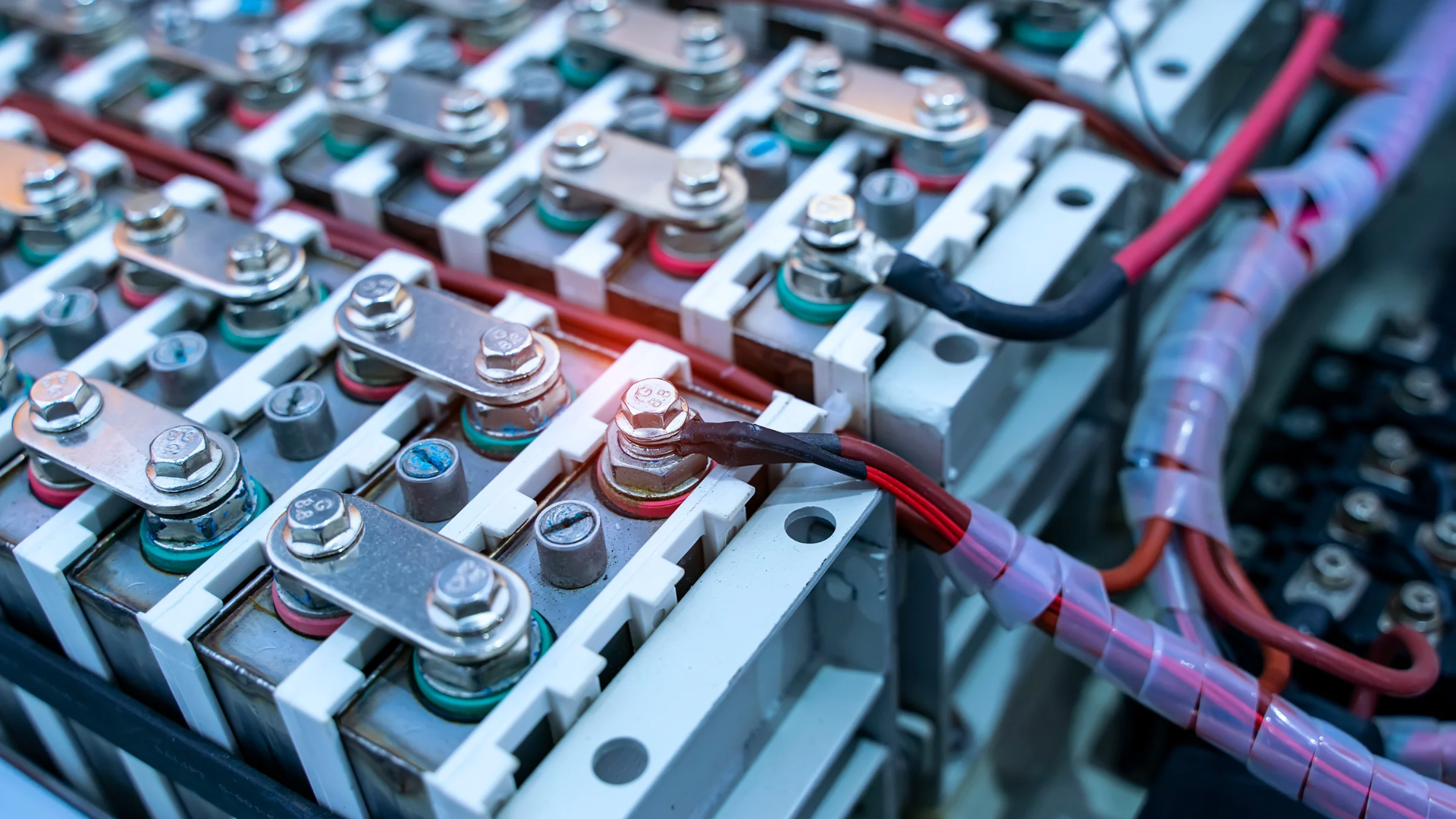
Understanding Lithium Iron Phosphate Batteries
Lithium-ion batteries are rechargeable energy storage devices widely used due to their high energy density, reliability, and efficiency. Among various lithium-ion types, lithium iron phosphate (LiFePO₄) batteries have emerged as particularly suitable for demanding applications due to their enhanced safety, long lifespan, and stability. This makes them ideal for emergency backup power, renewable energy storage, electric vehicles, and many other critical applications.
LiFePO₄ batteries consist of lithium-ion cells using lithium iron phosphate as the cathode material. They are highly stable thermally and chemically, making them safer than other lithium-ion chemistries like lithium cobalt oxide or lithium manganese oxide. Despite this inherent stability, LiFePO₄ batteries require careful handling, particularly in hot, humid environments like Miami, Florida.
Climate Considerations
Applications of LiFePO₄ Batteries
LiFePO₄ batteries are widely used for:
- Emergency backup power systems for disaster response
- Renewable energy storage solutions (solar and wind)
- Electric vehicles (EVs), boats, and heavy machinery
- Telecommunication towers and data centers
- Portable and stationary energy storage
Potential Hazards and Risks
Critical Factors in Storage and Transportation
While LiFePO₄ batteries offer improved safety, potential risks still exist, including:
- Thermal runaway, a condition where internal battery heat escalates uncontrollably, potentially leading to fires or explosions.
- Leakage or corrosion from improper handling or exposure to harsh environmental conditions, especially humidity and salinity.
- Reduced lifespan or sudden performance degradation due to prolonged heat exposure.
In warm, humid environments such as Miami, special attention must be given to:
- Temperature Control: Optimal storage temperatures range between 59°F (15°C) and 77°F (25°C). Continuous exposure above 95°F (35°C) significantly reduces battery lifespan.
- Humidity Control: Ideal relative humidity levels should be maintained below 50% to prevent condensation and corrosion.
Exposure to Water and Saline Water
Exposure to water can lead to corrosion, electrical shorts, or catastrophic failures. Specifically:
- Fresh Water Exposure: Can cause corrosion, leading to performance degradation or short circuits.
- Saline Water Exposure: Significantly accelerates corrosion, potentially leading to rapid structural failure and increased fire risks.
Warehousing Considerations
Structural and Environmental Guidelines
- Facility Design: Ensure proper ventilation and climate control to maintain consistent temperature and humidity.
- Storage Practices: Batteries should be stored on raised pallets or shelves, away from direct contact with floors, walls, or roofs susceptible to humidity or flooding.
- Fire Protection: Implement advanced fire suppression systems specifically rated for lithium battery fires (Class D extinguishers or water-based suppression systems designed for battery fires).
Safety and Monitoring
- Continuous Monitoring: Utilize temperature, humidity, and gas detection sensors to enable early detection of abnormal conditions.
- Regular Inspection: Perform routine visual and thermal inspections to detect swelling, leaks, or other signs of degradation.
Transportation Guidelines
When transporting LiFePO₄ batteries:
- Packaging: Batteries must be transported in well-insulated, waterproof, and impact-resistant packaging. Use dedicated lithium battery containers when possible.
- Temperature Management: Transportation vehicles should have climate control systems to maintain optimal temperature ranges.
- Handling Procedures: Personnel must receive training in battery-specific handling protocols to minimize risks during loading, unloading, and transit.
Emergency Response Preparedness
Given the hurricane risks in Miami, preparation for emergency scenarios is crucial:
- Backup Storage Facilities: Establish secondary, inland storage locations in hurricane-safe zones.
- Emergency Protocols: Develop clear guidelines for battery handling and storage during hurricane preparations and post-storm recovery operations.
Regulatory Compliance
Strict compliance with federal and state regulations for lithium-ion battery storage and transportation is mandatory, including adherence to guidelines from OSHA, DOT, NFPA, and local Miami-Dade County building codes.
In a Nutshell
Properly storing and transporting LiFePO₄ batteries in a warm, humid climate requires thorough planning and strict adherence to safety protocols. By considering temperature, humidity control, water exposure risks, and emergency preparedness, governmental entities can safely and effectively utilize lithium iron phosphate batteries for critical backup power solutions, particularly essential in hurricane-prone regions like Miami, Florida.